Elliptical Cross Trainer Buying Guide

Front Drive vs Rear Drive
The most meaningful hardware difference in ellipticals isn't brand or budget — it's where the flywheel sits, and it changes how the machine feels underfoot.
Front drive ellipticals position the flywheel at the front of the machine. This creates a slightly more upright posture and a motion that more closely resembles jogging. The stride tends to be more circular than oval, and the overall feel is familiar for anyone who runs regularly. Front drive machines are typically more compact and slightly more affordable — they suit smaller rooms and buyers coming from running backgrounds. ProForm cross trainers predominantly use front-drive designs, and the ProForm Sport Elliptical is a strong example.
Rear drive ellipticals have the flywheel at the back. This usually produces a longer, more oval-shaped elliptical motion that many people find more natural and easier on the joints. The posture tends to be more forward-leaning, engaging the glutes and hamstrings slightly more effectively. Rear drive machines are generally considered smoother and quieter, and they tend to start at a higher price point. The Viavito Sina, with its 9kg flywheel and 32 resistance levels, is a well-regarded rear-drive option on Sweatband.
Who should buy what?
Choose a front drive elliptical if you want a compact machine, prefer an upright posture, or are transitioning from running.
Choose a rear drive elliptical if smooth motion, lower joint impact, and a longer stride length are your priorities.
Best Elliptical Cross Trainer brands


How Much Should You Spend on an Elliptical Cross Trainer?

Beginners
Starting out with low-impact cardio?
Focus on stability, stride comfort, and smooth resistance adjustment.
The Reebok FR20 Elliptical Cross Trainer is a solid entry point, offering a 6kg flywheel, eight resistance levels, and a 38cm stride, with a tablet holder and USB charging port included. For those willing to stretch the budget slightly, the Viavito SE1 Elliptical Cross Trainer (around £449-£499) delivers five stars from reviewers and a well-balanced feature set for everyday cardio use.
Suggested spend: £200-£500
Aim for a machine with at least six resistance levels, a stride length of 38cm or more, and a flywheel of 6kg or heavier.
Who this suits
New cross-trainer users, anyone recovering from a lower-limb injury, and those who want reliable low-impact cardio without complexity.
Coach's take
Don't skip stride length. A stride too short for your height makes the motion feel choppy and unnatural — always check before buying.


Stride Length
Flywheel Weight
Drive Position (Front vs Rear)
Resistance Levels & Incline
Moving vs Fixed Handlebars
The distance covered with each rotation of the pedals
The weight of the spinning disc that creates momentum and smoothness
Whether the flywheel is positioned at the front or rear of the machine
How many resistance settings the machine offers and whether it can simulate uphill gradients
Whether the upper-body arms swing with your stride or stay stationary
This is the single most important spec for comfort. People with longer legs need a longer stride (40cm+) to avoid a cramped, choppy motion. A stride too short for your height makes every session feel unnatural and increases joint strain. Always check this against your own step length before purchasing.
Aim for 7kg as a minimum for home use. A heavier flywheel means more consistent momentum through each stride, eliminating the stuttering sensation that cheaper machines produce. Rear drive machines often carry heavier flywheels and tend to feel smoother as a result.
Front drive creates a more upright, jog-like motion and is usually more compact. Rear drive produces a longer, more oval-shaped elliptical motion that is widely considered smoother and more natural. Neither is universally better — it comes down to personal preference and room size.
More resistance levels give you finer control over intensity. Powered incline adds a significant new dimension — targeting different muscle groups, raising your heart rate, and increasing calorie burn without increasing speed. If fat loss is a key goal, prioritise incline capability.
Moving handlebars turn the elliptical into a full-body workout by engaging your chest, back, and arms alongside your legs. Fixed handlebars let you focus purely on lower-body work or take a rest while pedalling. The best machines offer both options.
When We're Available
Our experts are ready to help you from Mon - Fri (9am - 5pm). Check the calendar above for live availability
Current Treadmill Deals Shop all


adidas X-800 Power Stride Elliptical Cross Trainer
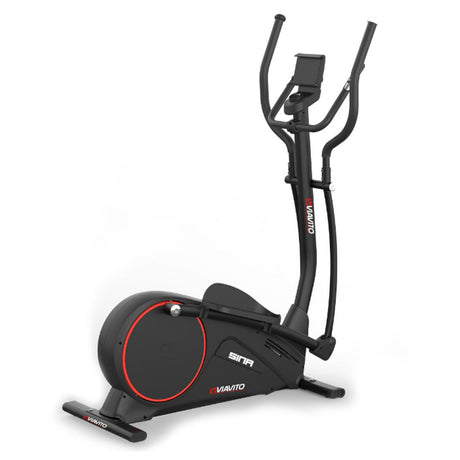
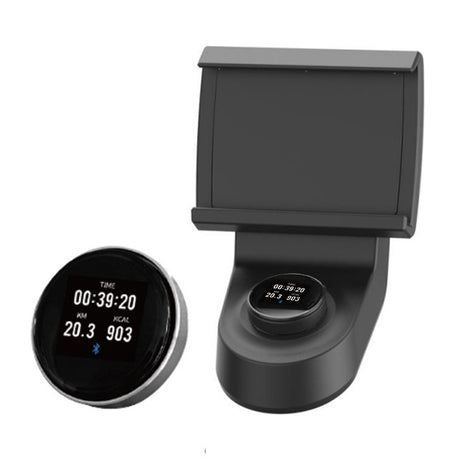
Viavito Sina Elliptical Cross Trainer
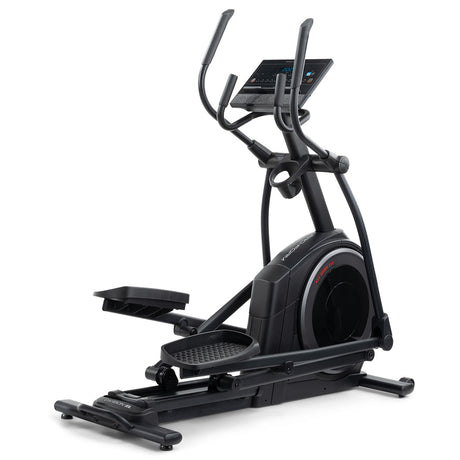
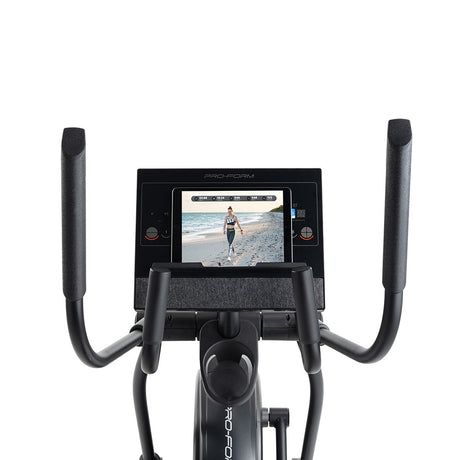
ProForm Carbon EL Elliptical Cross Trainer
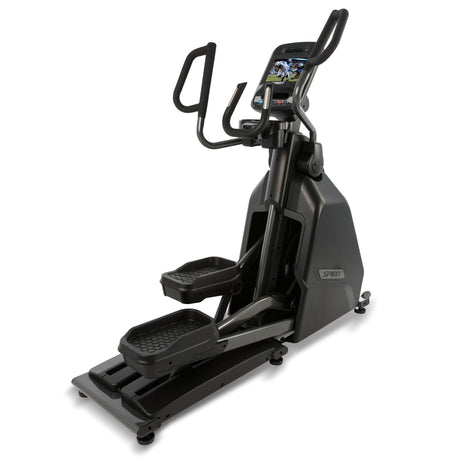
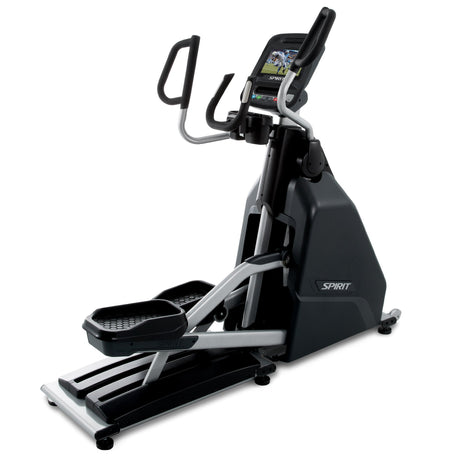
Spirit Fitness CE900ENT Commercial Elliptical Cross Trainer
2 colours available


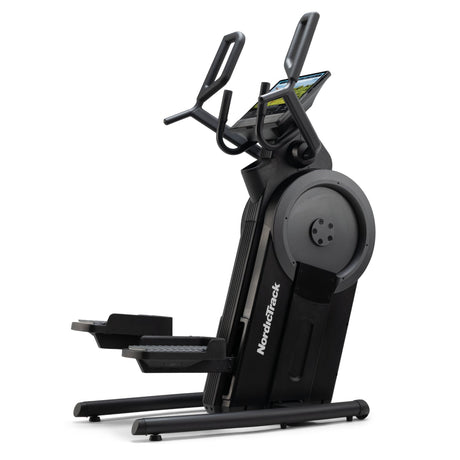
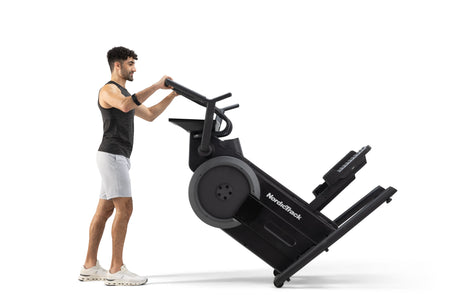
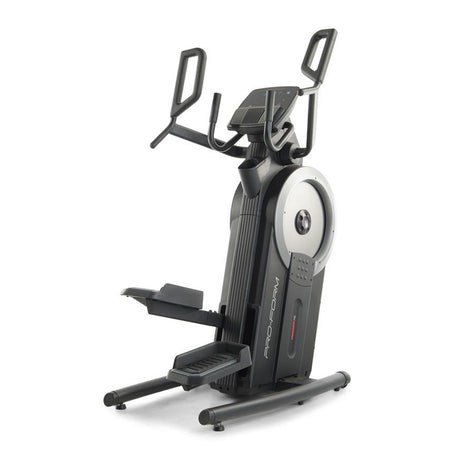
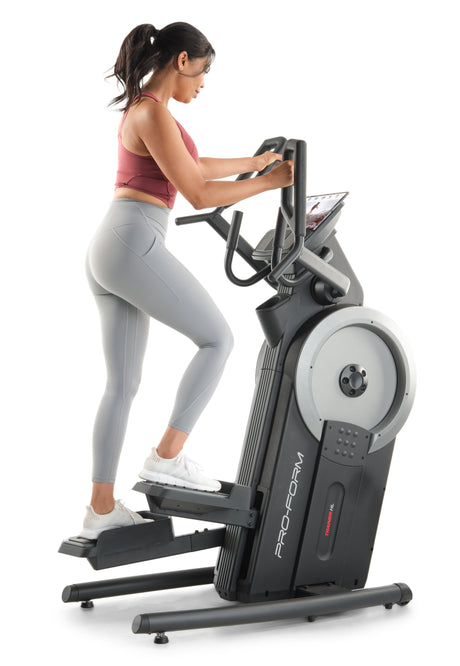
ProForm Cardio HIIT Trainer HL
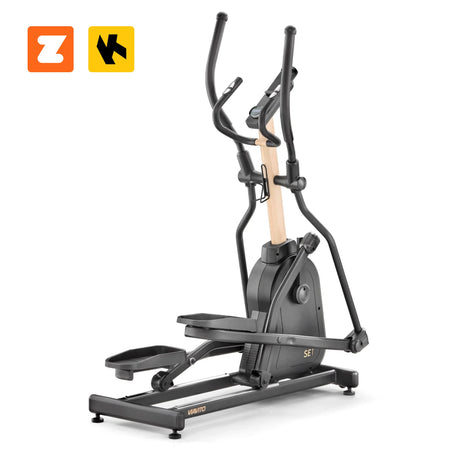
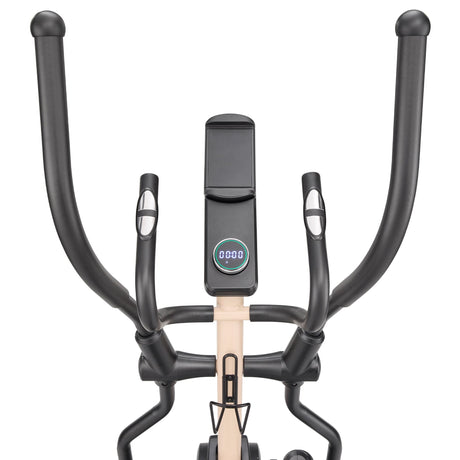
Viavito SE1 Elliptical Cross Trainer
FAQs
Why does my elliptical make a clicking or knocking noise?
Why does my elliptical make a clicking or knocking noise?
Most noise comes from loose bolts or dry joints, not motor issues.
Tighten frame bolts after the first 10 hours of use and apply lubricant to moving joints every few months. Brands like ProForm and NordicTrack even include this in setup guides because it’s so common.
Is an elliptical better than a treadmill for knee pain?
Is an elliptical better than a treadmill for knee pain?
Ellipticals are usually lower-impact because your feet stay planted on the pedals.
That smooth motion reduces joint stress compared with running. Many people recovering from injury switch from treadmills by brands like Reebok to ellipticals for this reason — but proper form still matters.
How long should an effective elliptical workout be?
How long should an effective elliptical workout be?
For general fitness, 20–30 minutes is enough if resistance is moderate.
For fat loss, aim for 30–45 minutes or include intervals. Consistency matters more than session length.
Can ellipticals help tone legs and glutes, or is it just cardio?
Can ellipticals help tone legs and glutes, or is it just cardio?
Yes — especially if you increase resistance and pedal backwards occasionally.
Higher resistance activates glutes, hamstrings, and quads more than fast, low-resistance pedalling.
Do I need stride length to match my height?
Do I need stride length to match my height?
Yes. Under-18" stride lengths feel cramped for taller users.
- Under 5'6" → 16–18" stride
- 5'6"–6' → 18–20" stride
- Over 6' → 20"+ stride
Checking stride length is one of the biggest comfort upgrades buyers miss when comparing models from brands like Adidas or Echelon.